advertisement
24 June 2024
As temperatures soar above 70 degrees in Arizona, scorpions become increasingly active, venturing out in search of sustenance and companionship. This surge in activity often leads to unexpected encounters with these arachnids in unusual places like swimming pools and toilets, prompting questions about their affinity for water and the risks they pose.
While scorpions are primarily terrestrial creatures, they possess a remarkable ability to endure brief periods in water. Although not proficient swimmers, they can temporarily navigate across the surface using their legs to propel themselves. Their resilience is further demonstrated by their capability to seal their respiratory spiracles, preventing drowning for a limited time. However, extended immersion is unsustainable, and scorpions cannot survive indefinitely in water.
Although scorpions do not deliberately seek out water, they may inadvertently stumble into pools or toilet bowls while in pursuit of moisture. During periods of extreme dryness, such as prolonged droughts, scorpions may be drawn to water sources in residential areas, increasing the likelihood of such encounters.
Contrary to popular belief, there are no true aquatic scorpions. While water scorpions exist, they belong to the family Nepidae within the order Hemiptera and are aquatic insects, not arachnids. True scorpions have evolved to thrive exclusively on land and do not possess the adaptations required for aquatic life.
While the prospect of encountering a scorpion in the water may be disconcerting, the likelihood of sustaining a sting while swimming is minimal. Scorpions typically prioritize escape when submerged and are not predisposed to aggression in aquatic environments. However, caution is advisable to avoid inadvertent contact.
In the event of a scorpion sighting in water, it is crucial to exercise caution. While scorpions can survive submerged for up to 48 hours, assuming that they are deceased based on their buoyancy is ill-advised. Furthermore, preventive measures, such as sealing potential entry points into plumbing systems, can mitigate the risk of future encounters.
Understanding the dynamics of scorpions’ interactions with water is essential for fostering coexistence and minimizing potential risks. By adopting proactive measures and dispelling misconceptions, individuals can navigate encounters with these resilient creatures with confidence and informed awareness.
advertisement
Living in Arizona comes with plenty of perks, including beautiful scenery, relatively mild winters, and countless opportunities for road trips. But Arizona can also be tough on your car. Extreme summer temperatures, blazing-hot pavement, intense sunlight, dust, monsoon storms, and long stretches of remote highway can all take their toll on a vehicle. Whether you are buying a new car or trying to keep your current one running smoothly, there are a few things every Arizona driver should consider. advertisement Air Conditioning Is Not Optional In many parts of the country, a weak air conditioner is uncomfortable. In Arizona, it
Las Vegas may get most of the attention when it comes to casinos in the Southwest, but Arizona has an impressive gaming scene of its own. Across the state, tribal casinos combine gaming with luxury hotels, pools, spas, restaurants, live entertainment, and some spectacular desert scenery. Arizona’s casinos are operated by Native American tribes under tribal-state gaming compacts. Today, visitors can find casino destinations everywhere from the Phoenix and Tucson metropolitan areas to Flagstaff and the Verde Valley. Whether you are planning an entire weekend getaway or simply looking for an entertaining night out, here are some of the best
Arizona has earned a reputation as one of the premier golf destinations in the United States, and it is easy to understand why. With dramatic desert landscapes, mountain backdrops, sunny weather, and hundreds of courses scattered throughout the state, Arizona offers unforgettable golf for players of nearly every skill level. Scottsdale may receive much of the attention, but exceptional courses can be found from Tucson to Sedona and throughout the greater Phoenix area. If you are planning an Arizona golf getaway, these are some of the best public courses to put on your list. advertisement Troon North Golf Club Located
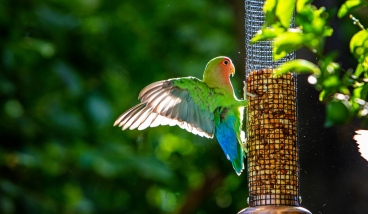
Sitting in my office in Chandler, Arizona, in an area commonly called Ocotillo, I can sometimes glimpse the most unlikely bird I ever thought I would see. Enjoying the outdoors of Arizona and bathing in the water in the artificial pond by my office are Rosy-faced lovebirds. advertisement At first, I thought the birds were lost pets, which alarmed me as a former bird owner (I used to have a pet parakeet as a kid — lived a long, full life to the age of 12). Worried about potential pet owners missing their birds, I dove into researching these beautiful