advertisement
29 June 2026
Tucked away in the remote landscapes of northern Arizona, Paria Canyon-Vermilion Cliffs Wilderness is one of the most spectacular and least crowded outdoor destinations in the Southwest. Known for its towering sandstone walls, colorful rock formations, winding slot canyons, and breathtaking desert scenery, this wilderness area offers an unforgettable experience for hikers, backpackers, photographers, and nature lovers. If you are looking for an adventure beyond Arizona’s more famous parks and attractions, Paria Canyon-Vermilion Cliffs Wilderness deserves a spot on your travel list.
advertisement
The wilderness area spans portions of northern Arizona and southern Utah, covering more than 112,000 acres of protected public land. It is managed by the Bureau of Land Management and sits near other iconic destinations such as Lake Powell, Marble Canyon, and the Grand Canyon. The region is characterized by dramatic cliffs, colorful sandstone formations, narrow canyons, and vast open desert landscapes that seem to stretch endlessly toward the horizon.
What sets Paria Canyon-Vermilion Cliffs Wilderness apart is its incredible geological diversity. Millions of years of erosion have sculpted the landscape into a maze of canyons, ridges, arches, and rock formations that display shades of red, orange, pink, white, and gold. The area feels almost otherworldly, which is why it has become a favorite destination for photographers and outdoor enthusiasts from around the world.
The most famous feature within the Vermilion Cliffs region is The Wave, a stunning sandstone formation known for its flowing, wave-like patterns and vibrant colors. Its unique appearance has made it one of the most photographed natural landmarks in Arizona. However, access is strictly limited through a permit lottery system to help protect the fragile landscape. Winning a permit can be challenging, but those who visit often describe it as a once-in-a-lifetime experience.
For experienced hikers, the Paria Canyon backpacking route is one of the premier wilderness treks in the Southwest. The route follows the Paria River through towering canyon walls that can rise hundreds of feet overhead. Hikers spend several days navigating sandy trails, shallow stream crossings, and narrow canyon passages while surrounded by stunning scenery. Permits are required for overnight backpacking trips, and planning is essential.
Despite its rugged appearance, the wilderness supports a surprising variety of wildlife.
The Vermilion Cliffs are one of the best places in Arizona to spot the endangered California condor, one of North America’s largest birds.
Spring and fall are generally considered the best seasons for exploring Paria Canyon-Vermilion Cliffs Wilderness.
Always check weather forecasts before entering the backcountry, especially during monsoon season when flash floods can develop rapidly.
Several areas within the wilderness require permits, particularly for overnight backpacking trips and access to The Wave. Because visitor numbers are carefully managed to protect the environment, permits often fill quickly. Planning months in advance is recommended. Visitors should follow Leave No Trace principles and help preserve the fragile desert ecosystem for future generations.
Cell phone service is limited throughout much of the wilderness, so self-sufficiency is important.
advertisement
While destinations like the Grand Canyon and Sedona attract millions of visitors each year, Paria Canyon-Vermilion Cliffs Wilderness remains one of Arizona’s best-kept secrets. Its dramatic landscapes, remote setting, and unmatched geological beauty offer a rare opportunity to experience the Southwest in a truly wild and untouched state. For travelers seeking adventure, solitude, and some of the most extraordinary scenery in Arizona, few places can match the magic of Paria Canyon-Vermilion Cliffs Wilderness.
advertisement
Living in Arizona comes with plenty of perks, including beautiful scenery, relatively mild winters, and countless opportunities for road trips. But Arizona can also be tough on your car. Extreme summer temperatures, blazing-hot pavement, intense sunlight, dust, monsoon storms, and long stretches of remote highway can all take their toll on a vehicle. Whether you are buying a new car or trying to keep your current one running smoothly, there are a few things every Arizona driver should consider. advertisement Air Conditioning Is Not Optional In many parts of the country, a weak air conditioner is uncomfortable. In Arizona, it
Las Vegas may get most of the attention when it comes to casinos in the Southwest, but Arizona has an impressive gaming scene of its own. Across the state, tribal casinos combine gaming with luxury hotels, pools, spas, restaurants, live entertainment, and some spectacular desert scenery. Arizona’s casinos are operated by Native American tribes under tribal-state gaming compacts. Today, visitors can find casino destinations everywhere from the Phoenix and Tucson metropolitan areas to Flagstaff and the Verde Valley. Whether you are planning an entire weekend getaway or simply looking for an entertaining night out, here are some of the best
Arizona has earned a reputation as one of the premier golf destinations in the United States, and it is easy to understand why. With dramatic desert landscapes, mountain backdrops, sunny weather, and hundreds of courses scattered throughout the state, Arizona offers unforgettable golf for players of nearly every skill level. Scottsdale may receive much of the attention, but exceptional courses can be found from Tucson to Sedona and throughout the greater Phoenix area. If you are planning an Arizona golf getaway, these are some of the best public courses to put on your list. advertisement Troon North Golf Club Located
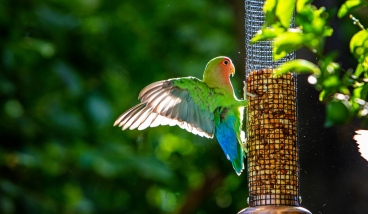
Sitting in my office in Chandler, Arizona, in an area commonly called Ocotillo, I can sometimes glimpse the most unlikely bird I ever thought I would see. Enjoying the outdoors of Arizona and bathing in the water in the artificial pond by my office are Rosy-faced lovebirds. advertisement At first, I thought the birds were lost pets, which alarmed me as a former bird owner (I used to have a pet parakeet as a kid — lived a long, full life to the age of 12). Worried about potential pet owners missing their birds, I dove into researching these beautiful