advertisement
7 July 2025
Located in Arizona’s White Mountains, Wenima Valley is a place where nature thrives, serving as a sanctuary for hikers, birdwatchers, and history enthusiasts alike. This serene wildlife area spans nearly three miles along the Little Colorado River, offering an exceptional experience for those eager to explore the intricate beauty of the Arizona wilderness.
[infolinks_inarticle]
The Wenima Wildlife Area is a 357-acre natural paradise, home to an impressive array of ecosystems, diverse wildlife, and stunning scenic landscapes. Wenima offers two easy trails that wind along the river. These trails are not only beautiful but educational, featuring interpretive signs and rest areas with benches for those who wish to stop and take in the surroundings.
Beyond the river, the landscape transitions into upland pinion-juniper forests and grasslands. As you venture through these diverse terrains, seasonal wildflowers paint the landscape with vibrant colors.
Wenima Valley is not only a haven for wildlife but also a notable destination for birdwatching. The surrounding White Mountains are famous for their diverse bird populations, and Wenima itself boasts an exceptional variety of bird species, particularly during the spring, summer, and fall seasons. Specifically, the area is home to golden eagles, American kestrels, belted kingfishers, blue grosbeaks, and many other warblers and songbirds. In the winter, both mountain and western bluebirds can be seen flitting among the juniper trees.
Wenima Valley is not only a place of natural beauty, but also a rich cultural and historical site. Over 1,000 years ago, the Hopi Native Americans settled along the Little Colorado River in what is now Wenima Valley. They established a thriving community, and the area became known as “Wenima,” meaning “Coming Home” in the Zuni language.
As you explore the valley, you can still see the remnants of this ancient civilization. Petroglyphs etched into the basalt bluffs, Native rock walls, and the ruins of the Hooper Ranch Pueblo and Danson Pueblo provide a tangible connection to the past. These archaeological sites have yielded over 1,600 Native American artifacts, some of the most unique and rare finds in the Southwest.
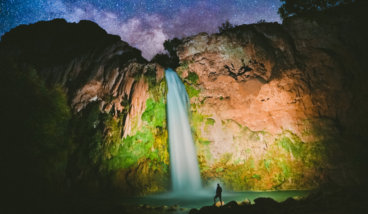
For those seeking a truly magical experience, Wenima Valley offers some of the clearest and most breathtaking night skies in the country. Arizona’s rural areas are among the best places in the U.S. for stargazing, and Wenima is no exception. With nearly 350 clear nights per year, you can enjoy the spectacle of stars far away from city lights.
In addition to the spectacular stargazing, Wenima is also home to an abundance of wildflowers and native plants. Many of these plants, such as the lemonade bush, wild rose, and horehound, were historically used by the indigenous people for medicinal purposes.
[google_adsense_horizontal]
The Wenima Wildlife Area is easily accessible from Springerville, Arizona, just a short drive away from some of the most scenic landscapes in the White Mountains.
So, lace up your boots, pack your binoculars, and start your journey through Wenima Valley, a hidden gem of Arizona, waiting for you to explore its beauty and history.
advertisement
Arizona is famous for its desert landscapes, dramatic sunsets, and historic landmarks. But across the state, another form of art is quietly transforming walls, alleyways, and entire neighborhoods. Street art has become one of the most vibrant and accessible forms of creative expression in Arizona, turning ordinary buildings into outdoor galleries. From massive murals in downtown Phoenix to colorful installations in Tucson and unexpected pieces tucked into smaller towns, Arizona’s street art scene reflects the culture, history, and creativity of the communities that create it. advertisement Phoenix: A Growing Urban Canvas Phoenix has become the center of Arizona’s street art
Long before astronauts set foot on the lunar surface, scientists in Arizona were already studying it in remarkable detail. By the time President John F. Kennedy announced in 1961 that the United States would land a man on the moon before the end of the decade, researchers at the University of Arizona had already begun mapping the moon’s surface. Their work would prove critical to the success of NASA’s robotic missions and the historic Apollo landings. At the center of this effort was Gerard P. Kuiper, widely known as the father of modern planetary science. advertisement The Birth of Lunar
Arizona is a paradise for bird watchers, offering a diverse range of habitats that support both native species and migratory birds. From its desert landscapes to its high-altitude mountains, Arizona is home to an astonishing array of bird species. However, some birds in the state are considered rare, either due to their limited range, dwindling populations, or specific habitat preferences. In this article, we’ll explore some of the rarest birds in Arizona and what makes them so special. advertisement 1. California Condor (Gymnogyps californianus) Status: Critically Endangered The California Condor is arguably one of the most iconic rare birds in
Arizona summers can make outdoor play feel impossible, especially in the middle of the day. The good news is there are plenty of affordable, family-friendly options that keep kids cool, active, and entertained without turning it into a big-ticket outing. Below are budget-friendly ideas across the Valley, including museums, indoor play spots with strong reviews, and free or low-cost options for early mornings and evenings. advertisement 1) Affordable Indoor Museums (Air-Conditioned and Worth It) Idea Museum (Mesa) If you have younger kids who love hands-on play, art, and creative exploration, the Idea Museum is a solid summer option. It is