advertisement
12 December 2022
Scorpions, like other arachnids, can make even the bravest of people head for the hills. Even though they play an essential role in their ecosystem by controlling insect populations, they can still threaten you and your pet.
advertisement
Even though not all scorpion species are deadly, they are all venomous. Their venom is used both for hunting and self-defense. There are over 70 scorpion species in the United States, but only the Arizona bark scorpion can be considered deadly to pets. Even though most scorpion stings aren’t usually fatal to people, getting stung by one will ruin your day and can cause pain and tissue damage.
If your dog gets stung by a scorpion, you may hear him yelp in pain and see him hold a paw up in protest. You may notice dilated and watery eyes, drooling, trembling and tremors, difficulty breathing, and even collapse as the venom circulates through his body.
If your cat were to get stung by a scorpion, the signs might not be as clear as if your dog were to have an encounter. The common myth is that cats are immune to scorpion stings, but your cat is not. Likely, this myth came about due to several close calls in which scorpions almost stung cats but did not. In addition, cats tend to conceal signs of pain or weakness more than dogs (or humans, for that matter), which may be misinterpreted as immunity.
Scorpions are easily avoided and hunted by cats. In dim or dark conditions, their night vision allows them to spot scorpions more easily. In addition, they dodge scorpions’ attempts to sting them due to their fur’s protection and agility. Nonetheless, if you suspect your cat has been stung, follow the same steps for your cat that you would if you suspect your dog has been stung.
A scorpion sting should be treated as an emergency if you suspect your pet has been stung by one. Call your veterinarian ahead to let them know you’ll be coming in and find out what you can do at home.
When you can get to the vet within minutes, you may not have to do anything yourself; however, you may need to give an oral antihistamine if you live far away. Your vet will tell you how much of what strength to give.
Apply a cold compress to the sting and prevent your pet from licking it en route to the vet. Your vet can administer an injectable antihistamine once you arrive, remove the stinger (if it is still present) and clean the wound. They may also prescribe injections of pain medications for you to administer at home.
advertisement
Scorpions are more afraid of you than you are of them. The scorpion prefers to run and hide rather than stand and fight. Always check your shoes, as they like to hide in dark, damp places. Make sure your home’s exterior doors and windows are sealed. Keep your dog from digging in the yard, and cats should be kept indoors as much as possible.
During the rainy months or extra hot months, be extra vigilant for scorpions finding shelter in your home. An easy way to spot scorpions, shine a UV blacklight; many scorpions will glow.
In Arizona, scorpions are just a fact of life. But, despite their terrifying appearance, they can help control insects that might be even more annoying to us. Keeping an eye on what your pet is doing indoors and outdoors can keep you and them safe from being stung. Please consult your veterinarian if you have questions about scorpion stings or what you can do to help protect your pet.
advertisement
Living in Arizona comes with plenty of perks, including beautiful scenery, relatively mild winters, and countless opportunities for road trips. But Arizona can also be tough on your car. Extreme summer temperatures, blazing-hot pavement, intense sunlight, dust, monsoon storms, and long stretches of remote highway can all take their toll on a vehicle. Whether you are buying a new car or trying to keep your current one running smoothly, there are a few things every Arizona driver should consider. advertisement Air Conditioning Is Not Optional In many parts of the country, a weak air conditioner is uncomfortable. In Arizona, it
Las Vegas may get most of the attention when it comes to casinos in the Southwest, but Arizona has an impressive gaming scene of its own. Across the state, tribal casinos combine gaming with luxury hotels, pools, spas, restaurants, live entertainment, and some spectacular desert scenery. Arizona’s casinos are operated by Native American tribes under tribal-state gaming compacts. Today, visitors can find casino destinations everywhere from the Phoenix and Tucson metropolitan areas to Flagstaff and the Verde Valley. Whether you are planning an entire weekend getaway or simply looking for an entertaining night out, here are some of the best
Arizona has earned a reputation as one of the premier golf destinations in the United States, and it is easy to understand why. With dramatic desert landscapes, mountain backdrops, sunny weather, and hundreds of courses scattered throughout the state, Arizona offers unforgettable golf for players of nearly every skill level. Scottsdale may receive much of the attention, but exceptional courses can be found from Tucson to Sedona and throughout the greater Phoenix area. If you are planning an Arizona golf getaway, these are some of the best public courses to put on your list. advertisement Troon North Golf Club Located
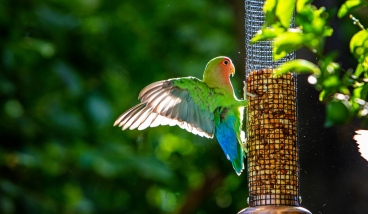
Sitting in my office in Chandler, Arizona, in an area commonly called Ocotillo, I can sometimes glimpse the most unlikely bird I ever thought I would see. Enjoying the outdoors of Arizona and bathing in the water in the artificial pond by my office are Rosy-faced lovebirds. advertisement At first, I thought the birds were lost pets, which alarmed me as a former bird owner (I used to have a pet parakeet as a kid — lived a long, full life to the age of 12). Worried about potential pet owners missing their birds, I dove into researching these beautiful