advertisement
14 July 2025
Many may not be aware of this, but Arizona faces unique environmental challenges related to air quality. Despite its natural beauty, the state’s air quality frequently falls below ideal levels, raising concerns for residents and visitors alike. Several factors contribute to poor air quality in Arizona, from its geographical features to human activities. Let’s explore why the air quality tends to be bad in this desert state.
[infolinks_inarticle]
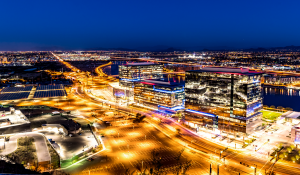
One of the main reasons for poor air quality in Arizona is its geography and climate. The state is surrounded by mountains and deserts, which can trap pollutants in certain areas. This phenomenon is known as a temperature inversion. In this situation, cooler air is trapped beneath a layer of warmer air, preventing the pollutants from rising and dispersing into the atmosphere. As a result, cities like Phoenix and Tucson, which are situated in valleys or basins, experience more significant air pollution during the cooler months.
Arizona is infamous for its dust storms, known locally as haboobs. These intense dust storms can reduce visibility and, more importantly, contribute to air pollution by increasing levels of particulate matter in the air. When strong winds kick up dust from the desert, it can travel for miles, filling the atmosphere with fine dust particles. These particles, often referred to as PM10 or PM2.5, can enter the respiratory system and cause a variety of health problems, particularly for people with asthma or other pre-existing lung conditions.
These dust storms tend to occur during the summer months, especially from late spring through early autumn. Their frequency and intensity are exacerbated by drought conditions and poor land management practices, making them a persistent issue in the state.
As Arizona’s population continues to grow, so does its reliance on automobiles. In urban areas like Phoenix and Tucson, vehicle emissions are a significant contributor to poor air quality. The Phoenix metropolitan area is one of the fastest-growing regions in the U.S., and with more people comes more cars on the road. Vehicles emit nitrogen oxides (NOx) and volatile organic compounds (VOCs), both of which combine with sunlight to form ozone pollution, a harmful air pollutant.
The combination of heavy traffic, industrial emissions, and the high levels of sunshine in Arizona creates an environment where ozone levels can reach unhealthy levels, especially during the summer. Ozone pollution is often highest in the late afternoon, when the sun’s heat is most intense, and it can contribute to respiratory issues, such as asthma and bronchitis.
Wildfires, though often associated with states like California, are a growing concern in Arizona, particularly during the summer and fall months. As dry conditions persist, lightning, human activities, or even high winds can spark wildfires in Arizona. Once these fires start, they can release large amounts of smoke and particulate matter into the atmosphere.
Wildfire smoke introduces fine particles, known as PM2.5, that can severely affect air quality. These particles are small enough to penetrate the lungs and bloodstream, causing heart and lung problems, especially in vulnerable populations. Arizona residents living in areas near forested regions, such as Flagstaff, Prescott, and Sedona, are particularly affected by wildfire smoke.
Arizona’s scorching summer temperatures and abundant sunshine exacerbate the problem of air pollution. The intense heat in cities like Phoenix can increase the rate of chemical reactions that produce ground-level ozone. When pollutants like nitrogen oxides and volatile organic compounds are exposed to sunlight, they form ozone, a key ingredient of smog. Ozone pollution is not only harmful to human health but can also damage crops, vegetation, and ecosystems.
Specific industries in Arizona, particularly those related to mining, manufacturing, and energy production, contribute to air pollution. Mining, for example, generates dust and particulate matter, while energy plants may release sulfur dioxide (SO2) and other pollutants into the atmosphere. These industrial emissions are often concentrated in areas near mines and power plants, contributing to localized pollution hotspots.
Arizona’s dry, desert climate means that the state receives less rainfall than other regions in the U.S. Rain is a natural cleanser for the air, as it helps to wash away pollutants and dust particles. Unfortunately, the infrequent rainfall and relatively low wind speeds in Arizona mean that pollutants can remain in the air for more extended periods, leading to prolonged periods of poor air quality. Without rain or strong winds to clear the atmosphere, the pollution can accumulate and cause sustained air quality issues.
[google_adsense_horizontal]
The air quality in Arizona can have serious health consequences, especially for children, the elderly, and those with pre-existing respiratory or heart conditions. Poor air quality can trigger asthma attacks, exacerbate allergies, and contribute to the development of chronic respiratory diseases. Long-term exposure to high levels of particulate matter and ozone can even increase the risk of heart disease and stroke.
For residents and visitors alike, it’s important to stay informed about the air quality in Arizona and take necessary precautions, such as staying indoors on days with high levels of pollution or using air purifiers when needed. By understanding the causes of poor air quality, we can work toward creating a healthier, more sustainable future for the state.
advertisement
If it seems like pickleball courts are suddenly everywhere in Arizona, you’re not imagining things. Parks are adding courts. Resorts are advertising pickleball vacations. Retirement communities have thriving leagues. Indoor pickleball clubs are popping up across the Valley, and major professional and amateur tournaments are bringing thousands of players to the state. Pickleball has become one of America’s biggest recreational sports, and Arizona has emerged as one of the country’s major pickleball destinations. But Arizona’s connection to the sport actually goes back decades. advertisement What Is Pickleball? Pickleball is a paddle sport that combines elements of tennis, badminton, and table
Arizona is an amazing and remarkably diverse state. It is best known worldwide for the Grand Canyon, the spectacular mile-deep gorge carved by the Colorado River over millions of years. But those of us who call Arizona home know there is much more to the Grand Canyon State than its most famous landmark. Arizona is a place where you can find one of America’s largest cities, one of its snowiest communities, enormous pine forests, incredibly remote villages, vast tribal lands, and some of the sunniest weather anywhere on Earth. Here are seven fascinating facts that show just how surprising Arizona
Deep in the rugged mountains of southern Arizona, a motion-activated camera captured something extraordinary: a large spotted cat silently moving through the wilderness. It was not a mountain lion or a bobcat. It was a jaguar. The animal would eventually become known as El Jefe, Spanish for “The Boss.” For several years, he was the only known wild jaguar living in the United States, making him both a local celebrity and a powerful symbol of a species that once roamed across a much larger portion of the American Southwest. El Jefe’s story is also surprisingly hopeful. After disappearing from Arizona
Living in Arizona comes with plenty of perks, including beautiful scenery, relatively mild winters, and countless opportunities for road trips. But Arizona can also be tough on your car. Extreme summer temperatures, blazing-hot pavement, intense sunlight, dust, monsoon storms, and long stretches of remote highway can all take their toll on a vehicle. Whether you are buying a new car or trying to keep your current one running smoothly, there are a few things every Arizona driver should consider. advertisement Air Conditioning Is Not Optional In many parts of the country, a weak air conditioner is uncomfortable. In Arizona, it