advertisement
22 May 2023
Stretching across the central and eastern parts of Arizona, the Mogollon Rim is a breathtaking geological feature that captivates visitors with its rugged beauty and remarkable landscapes. This natural wonder, named after Don Juan Ignacio Flores Mogollon, the Spanish governor of New Mexico in the 18th century, is a prominent escarpment that marks the southern edge of the Colorado Plateau.
The Mogollon Rim is a massive cliff that extends approximately 200 miles across the state of Arizona. It reaches elevations of over 7,000 feet and spans an impressive width of about 10 miles in some areas. Formed by massive volcanic eruptions and subsequent erosion over millions of years, the Rim showcases layers of ancient sedimentary rocks, volcanic deposits, and basaltic lava flows.
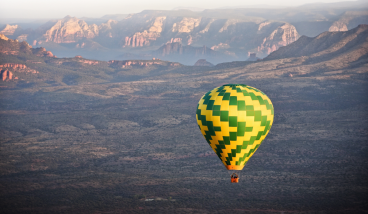
One of the most striking features of the Mogollon Rim is its sheer cliffs, which provide breathtaking views of the surrounding landscapes. From the edge, visitors can gaze upon vast forests, deep canyons, and sprawling valleys that stretch out for miles. The Rim acts as a natural divide, separating the high, cool pine forests of the Colorado Plateau from the lower, warmer deserts of central Arizona.
View this post on Instagram
The Mogollon Rim offers nature enthusiasts and adventure seekers many outdoor activities and recreational opportunities. Hiking trails crisscross the region, allowing visitors to explore the diverse ecosystems and discover hidden gems. Popular trails include the General Crook Trail, the Highline Trail, and the iconic Arizona Trail, which traverses the entire state.
For you adrenaline junkies, the Mogollon Rim boasts excellent rock climbing and rappelling spots. Its towering cliffs and challenging routes provide a perfect playground for climbers of all skill levels. If you enjoy fishing, anglers are drawn to the region’s lakes and rivers, such as Woods Canyon Lake and the East Verde River, which offer prime fishing opportunities for trout and other freshwater species.
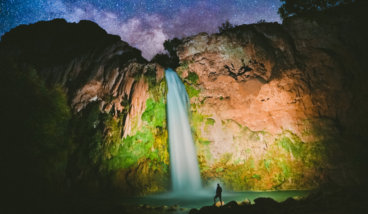
Camping here is also a must. Whether you prefer established campgrounds or backcountry camping, the Rim provides a serene setting to immerse yourself in nature and enjoy peaceful nights under a star-filled sky. Wildlife enthusiasts will delight in spotting elk, deer, eagles, and other native species that call the Rim home.
One of the best ways to experience the grandeur of the Mogollon Rim is by taking a scenic drive along its edge. Highways such as State Route 260 and State Route 87 offer stunning vistas and breathtaking overlooks where visitors can pause to admire the sweeping panoramas. From these viewpoints, the vastness of the landscape becomes apparent, and the layered cliffs and deep canyons create a dramatic backdrop.
The Rim also contains several notable attractions, including the Tonto Natural Bridge State Park, which features the world’s largest natural travertine bridge. Visitors can explore the park’s trails and witness the awe-inspiring sight of the bridge, an incredible formation carved by the forces of nature over thousands of years.
View this post on Instagram
Beyond its natural wonders, the Mogollon Rim holds historical significance as well. Native American tribes, such as the Apache and Zuni, have inhabited the region for centuries, leaving a rich cultural legacy. The area also played a role in the development of Arizona, as early pioneers and settlers ventured through the challenging terrain while seeking new opportunities.
The Mogollon Rim is a testament to the awe-inspiring power of nature and the timeless beauty of Arizona’s landscapes. Its towering cliffs, expansive vistas, and diverse ecosystems make it a must-visit destination for outdoor enthusiasts and nature lovers.
advertisement
When someone suggests a night out in Phoenix, the plan probably involves cocktails, breweries, happy hour, or dinner. There’s nothing wrong with any of those things, but what if you want to actually do something? Fortunately, the Phoenix area has plenty of night-out options that don’t require alcohol to be the main event. From museums and botanical gardens to live music, escape rooms, board games, bookstores, and even a nighttime drive into the desert, there are plenty of ways to have an interesting evening without spending it sitting at a bar. Whether you’re planning a date night, meeting up with
If it seems like pickleball courts are suddenly everywhere in Arizona, you’re not imagining things. Parks are adding courts. Resorts are advertising pickleball vacations. Retirement communities have thriving leagues. Indoor pickleball clubs are popping up across the Valley, and major professional and amateur tournaments are bringing thousands of players to the state. Pickleball has become one of America’s biggest recreational sports, and Arizona has emerged as one of the country’s major pickleball destinations. But Arizona’s connection to the sport actually goes back decades. advertisement What Is Pickleball? Pickleball is a paddle sport that combines elements of tennis, badminton, and table
Arizona is an amazing and remarkably diverse state. It is best known worldwide for the Grand Canyon, the spectacular mile-deep gorge carved by the Colorado River over millions of years. But those of us who call Arizona home know there is much more to the Grand Canyon State than its most famous landmark. Arizona is a place where you can find one of America’s largest cities, one of its snowiest communities, enormous pine forests, incredibly remote villages, vast tribal lands, and some of the sunniest weather anywhere on Earth. Here are seven fascinating facts that show just how surprising Arizona
Deep in the rugged mountains of southern Arizona, a motion-activated camera captured something extraordinary: a large spotted cat silently moving through the wilderness. It was not a mountain lion or a bobcat. It was a jaguar. The animal would eventually become known as El Jefe, Spanish for “The Boss.” For several years, he was the only known wild jaguar living in the United States, making him both a local celebrity and a powerful symbol of a species that once roamed across a much larger portion of the American Southwest. El Jefe’s story is also surprisingly hopeful. After disappearing from Arizona